The Things You Learn After Designing Hundreds of Bathrooms
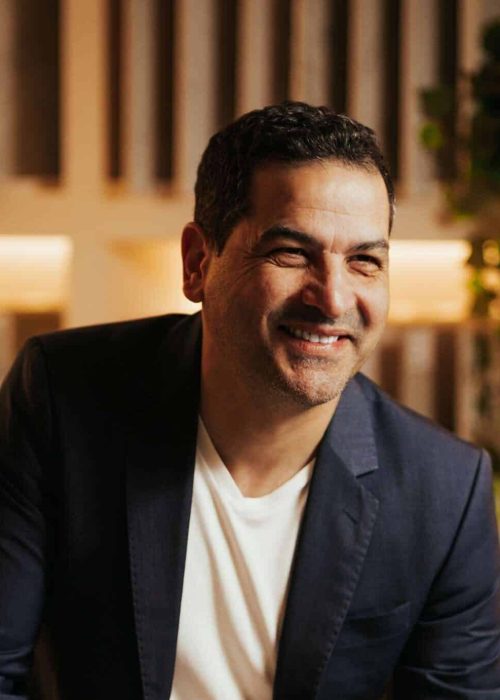
The Things You Learn After Designing Hundreds of Bathrooms An expert conversation with Kallum Bathrooms founder, Matthew Kallum Good bathroom design rarely comes down to
Good bathroom design rarely comes down to one beautiful product. It comes down to the details you only learn to see after years of real projects, real homes and real clients.
Founded in 2013, Kallums Bathrooms is a family-run business with more than 75 years of combined design experience across the team and showrooms in Putney and Guildford. We sat down with founder Matthew Kallum to talk through the lessons that shape every bathroom we design, from the mistakes clients make most to where a budget genuinely counts and the things he would never compromise on.
After all these years, what still excites you about starting a new bathroom project?
Every project starts with a blank page and a family who want something better than the room they have now.
No two homes are the same, so no two bathrooms are either. That first conversation, where you begin to understand how someone lives and what they want from the space, is still my favourite part.
There is also something I never tire of in watching the whole team come together around a project. We are a family business and every bathroom carries our name, so everyone has a reason to care about getting it right.
What is one thing you notice clients get wrong time and time again?
One of the biggest mistakes is starting with the products before thinking about the room as a whole.
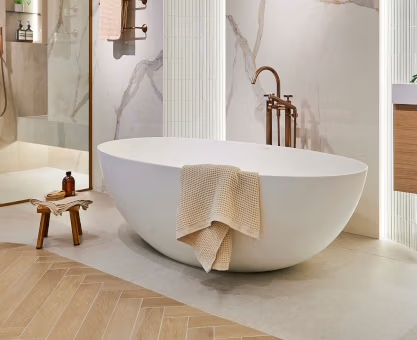
It is easy to fall for a beautiful basin, a particular tile or a freestanding bath. The starting point should always be how the space needs to work. Who is using it? How much storage do you need? Where does the natural light fall? How do you move around the room?
Once you understand those things, the products and finishes can follow. A bathroom should never be a collection of beautiful pieces. Everything has to work together.
The details that change how a bathroom feels
What small detail makes a huge difference once the bathroom is used every day?
Storage is a big one. It is not the most exciting part of a design but you notice very quickly when it has not been planned properly.
Somewhere for everyday products, towels, cleaning supplies and all the things that find their way into a bathroom can change how the whole room feels.
Lighting is often underestimated too. A bathroom can look completely different depending on how it is lit. The right mix of ambient, task and softer lighting makes the room far more enjoyable to use.
What is the biggest difference between a bathroom that looks good and one that works brilliantly?
The best bathrooms do both.
A photograph shows you how a bathroom looks at one moment. Living with it is different. You notice whether the shower sits in the right place, whether there is room to move, whether you have somewhere to put things down and whether the lighting works at different times of day.
Good design looks beyond the finished photograph. It anticipates how someone will use the room every single day.
Where should you invest if you have a limited budget?
I would invest in the things that are difficult or expensive to change later. That means getting the layout right, making sure the plumbing and bathroom installation are planned properly and choosing good quality products where reliability matters most.
You do not need to spend the most on every element. A bathroom can still have real personality through tiles, colour and finishes without every product being the most expensive option. The skill is knowing where spending more will genuinely make a difference.
What should you never compromise on?
Installation and the quality of the products behind the design.
You can have the most beautiful tiles and the perfect brassware but if the work behind the design has not been done properly, you will notice it eventually.
A bathroom is a hardworking room. It copes with water, humidity and daily use for years. Quality and proper installation are never an afterthought.
What have real projects taught you that you could never learn from a showroom?
That every bathroom is different.
A bathroom showroom shows you what is possible. Real projects teach you how many variables there are once you are working with an actual room, an actual building and an actual client.
You learn to look beyond what is in front of you. Ceiling heights, awkward walls, natural light, existing plumbing and access all shape the final design. That experience changes how you approach every new project.
What does Kallums Bathrooms do differently from others in the bathroom industry and what has made that approach work?
We are a family business and that shapes everything.
Design and installation are not handled by two separate companies who never meet. They are one team, working together from the first drawing to the final fix. The person who planned your bathroom is still involved when it is being fitted, so far less gets lost between the design and the build.
It changes how people work, too. When the business carries your family name, you do not walk away from a job that is not right. You care about the detail, you answer the phone and you treat someone’s home the way you would treat your own.
I think that is why so much of our work comes from recommendations. People trust a family business that stands behind what it does, and they tell their friends.
What problem have you encountered that changed how you approach bathroom design?
Access is the one that taught me the most.
You learn early that a beautiful design on paper means nothing if the products cannot physically get into the room or if the existing pipework will not allow the layout you have drawn. Looking at what sits behind the walls, and how the house is built, saves a great deal later.
So now we check all of that before a single product is chosen. It is far less exciting than picking tiles but it is the difference between a project that runs smoothly and one that fights you at every stage.
How has the way people use their bathrooms changed?
Bathrooms have become far more personal.
They are no longer purely functional spaces that need to fit a basin, toilet and shower. People think much more about how they want the room to feel and how it fits into their daily routine. We see more attention given to lighting, storage, walk-in showers, statement tiles and softer materials. Details that make the space feel personal rather than purely practical.
There is also a real expectation that a bathroom should feel connected to the rest of the home.
Is there a trend you thought would be short-lived but has actually earned its place?
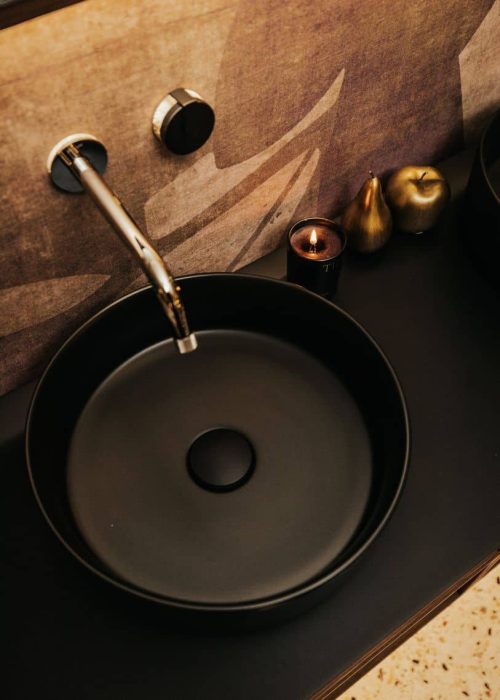
Matte black brassware.
When it first appeared, I assumed it would date quickly, the way a lot of finishes do. Taps and showers are not cheap to replace, so I am always cautious about anything that feels purely fashionable.
It has proved me wrong. Used well, against the right materials, it is a finish people still love years later rather than one they regret. It earned its place.
What trends do you think will still feel relevant in five or ten years?
Good proportions, natural materials, thoughtful lighting and functionality that genuinely works. These tend to last.
Trends date when they are used simply because they are fashionable. When a material, colour or layout truly improves how a bathroom looks and works, it has far more staying power.
I think we will keep seeing people move towards bathrooms that feel more residential and less clinical, with more personality and warmth built in.
What is one bathroom rule you think is completely overrated?
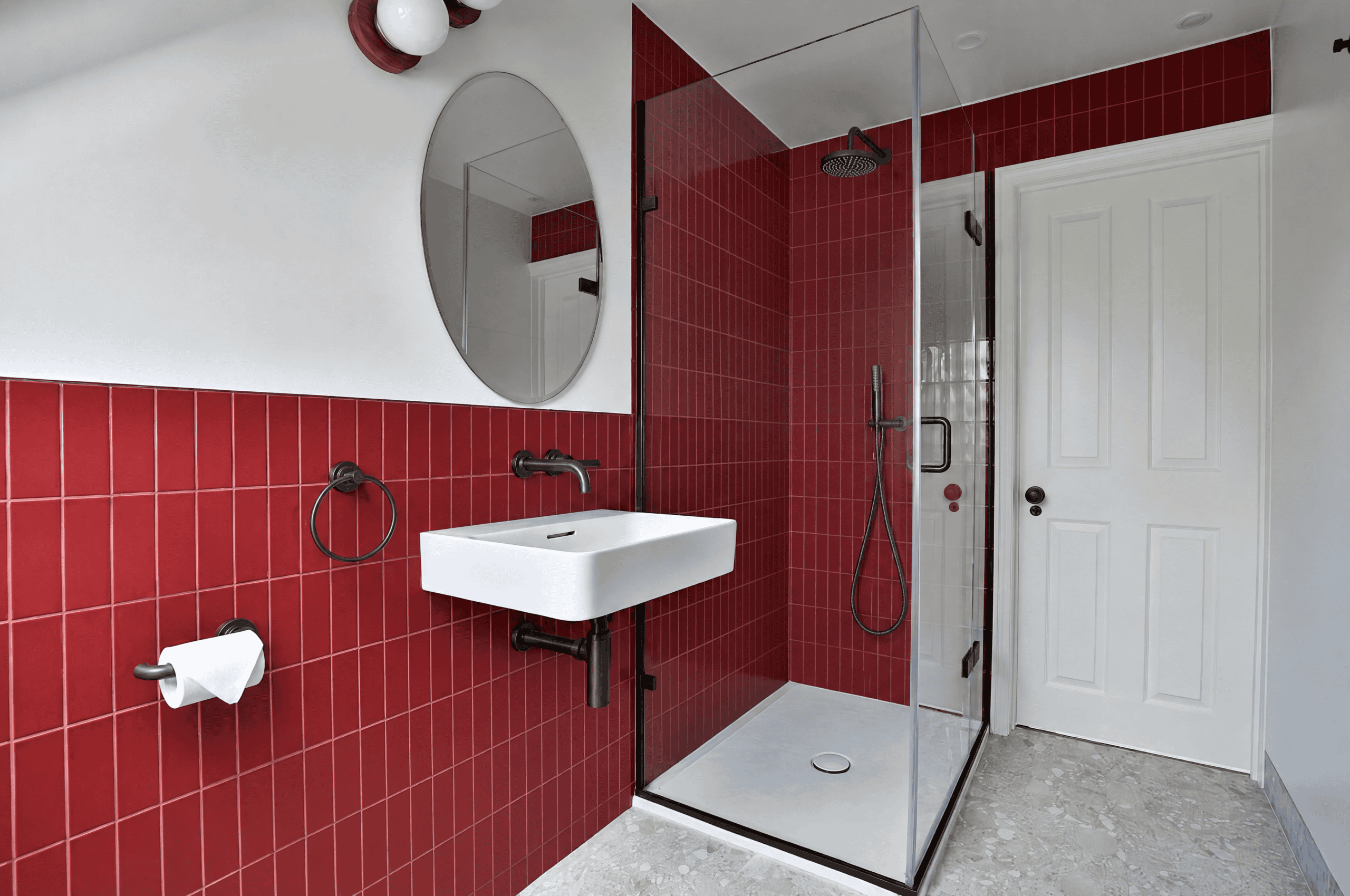
That a small bathroom has to be all white.
The idea is that white makes a space feel bigger and there is some truth in it. But a small bathroom in a deeper, warmer tone can feel far more welcoming, and it tends to photograph beautifully too.
A small room is a chance to do something with character rather than something safe.
What is a design choice you would personally never put in your own bathroom?
Anything that chases every trend at once.
I would rather choose a few things I genuinely love and let them sit calmly together than fill a room with features simply because they are popular. A bathroom crowded with statement pieces rarely feels restful.
And if you want the honest answer, carpet in a bathroom. That is one I would never choose.
What is one trend you would tell a client to think twice about?
A fully open wet room with no screen at all.
It looks wonderful in a photograph. In daily use, with nothing to hold the water back or keep the heat in, it can be colder and wetter than people expect, particularly in a typical British home.
I am not against them. I simply make sure clients picture how the room will feel in January, not only how it looks in a brochure.
What do you wish every client knew before starting a renovation?
Give yourself time to plan properly.
A bathroom renovation can look straightforward from the outside but there are a lot of decisions involved. The earlier you make them, the better.
Think about how you actually use the room rather than designing purely around how you want it to look. Think about storage, lighting, ventilation and maintenance alongside the look of the room. And never underestimate the value of good design before any work begins. It is far easier to change something on a drawing than once it has been installed.
What do you look for when you walk into a new space?
The layout and the light, before anything else.
Before I think about products, I want to understand where the natural light comes from, where the existing plumbing sits, how much height we have to work with and how the room connects to the rest of the home.
Those things decide what is possible. Once you understand the bones of a space, the design almost begins to suggest itself.
What makes you look at a finished bathroom and think it has been done properly?
When everything feels effortless.
You should not be able to point to one feature and say that is what makes the room work. It should feel balanced. The layout makes sense, the proportions feel right, the materials work together and there is a clear reason behind every choice.
It should still feel right when you stop looking at it as a finished project and imagine actually using it. That is when you know the design has worked.
What is the biggest lesson bathroom design has taught you over the years?
That people remember how a room makes them feel, not the list of products in it.
You can name every finish and every fitting but what stays with a client is walking into a bathroom that simply works for them, morning after morning. Getting there takes real care, and a team that treats the work as if it were their own home.
That is the advantage of a family business. We are all in it together and every bathroom we finish carries our name. I would not want to do it any other way.
Every bathroom we design starts with a conversation like this one. If you are planning a project of your own, our designers would be glad to talk it through with you in the showroom, guide you through our design service and bathroom installation or show you recent case studies from homes near you.
1. What is the most common bathroom design mistake?
Starting with the products before thinking about how the room needs to work. The layout, the storage and the way you move around the space should come first, then the finishes can follow.
2. Where should you spend your budget in a bathroom renovation?
On the things that are hard or costly to change later: the layout, the plumbing and the installation and reliable products. Personality can come from tiles, colour and finishes without every item being the most expensive option.
3. What should you never compromise on in a bathroom?
Installation and the quality of the products behind the design. A bathroom copes with water, humidity and daily use for years, so proper installation is never an afterthought.
4. How long should you spend planning a bathroom renovation?
As long as it takes to make the key decisions early. A renovation involves far more decisions than it appears to from the outside, and it is much easier to change something on a drawing than once it has been installed.
For more bathroom inspiration, explore our featured projects.

The Things You Learn After Designing Hundreds of Bathrooms An expert conversation with Kallum Bathrooms founder, Matthew Kallum Good bathroom design rarely comes down to

How Do You Choose a Bathroom Fitter in Putney? Inside the master bathroom in Putney, part of a Japandi-inspired home in South West London, where

How Do You Choose a Bathroom Fitter in Guildford? A closer look at our bathroom design and installation project in Barnes, where careful space planning
Simply fill in the form to download a copy instantly