Step one: The design consultation
Every bathroom starts with a conversation.
Your designer will want to understand how you use the room, what is not working currently and what you would like to change. It is also the time to talk about your style, your priorities and your budget.
Bring your inspiration with you. Pinterest boards, Instagram screenshots, magazine pages, photographs or even a colour you keep coming back to can all help.
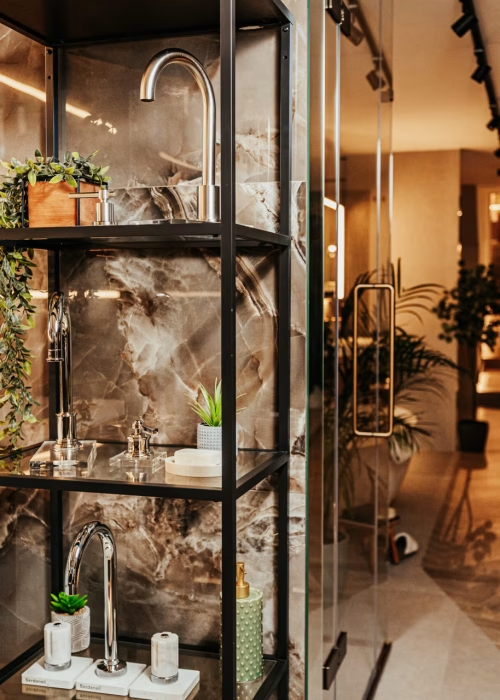
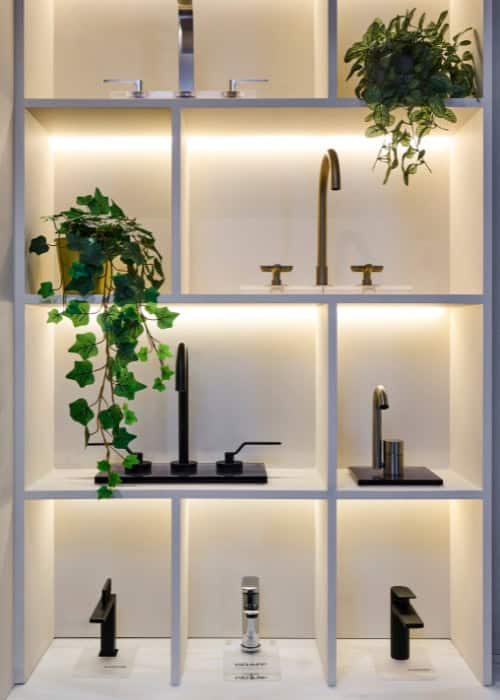
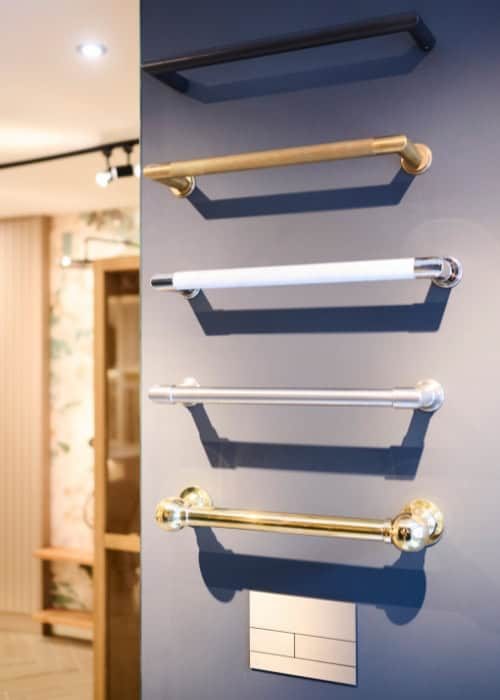
You can also visit our Putney or Guildford showroom and see products, tiles and finishes in person.
The aim at this stage is not to make every decision. It is to establish the direction for the room.
Step two: The site survey
Once we understand what you are looking for, one of our designers visits your home to survey the space and take detailed measurements.
This is where the design starts to become specific to your bathroom.
We look at the dimensions of the room, the position of doors and windows, existing plumbing, ceiling height and any awkward areas that could affect the layout.
It is an important part of the process because a bathroom can look very different in a photograph or on a floor plan than it does when you are standing inside it.
Accurate measurements allow your designer to create a design that works in the real space, not just on paper.
Step three: Your bathroom design in 2D and 3D
Now the ideas start to become a room.
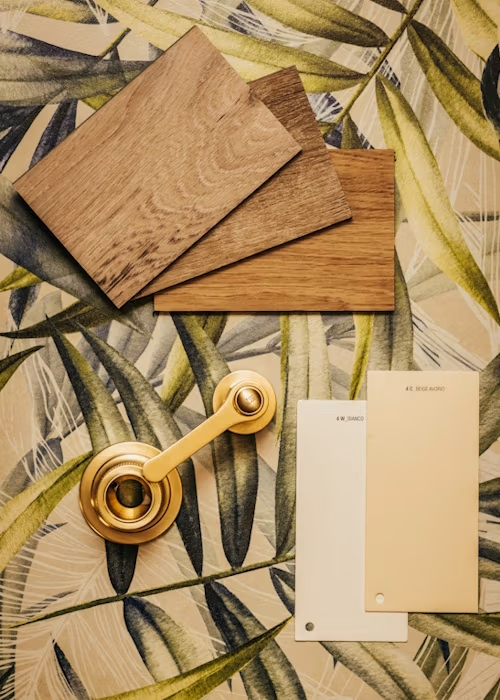
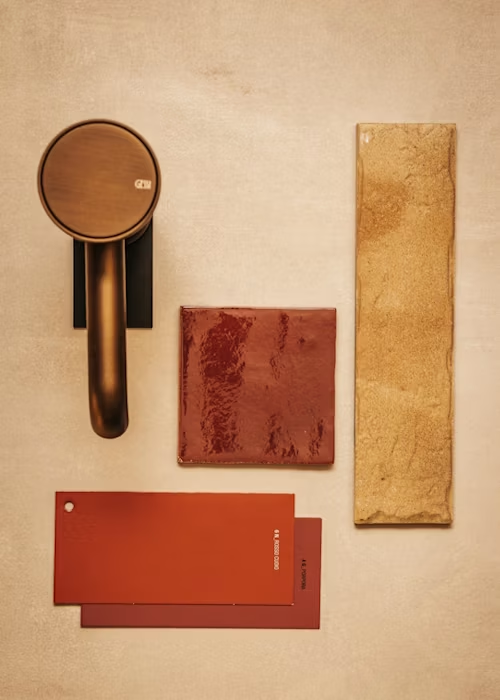
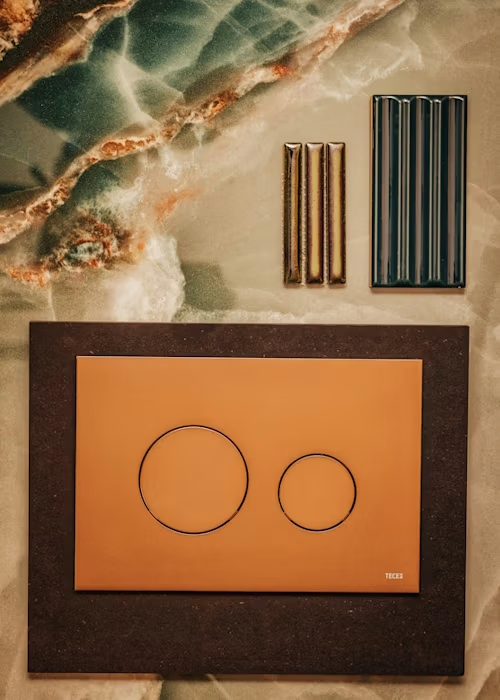
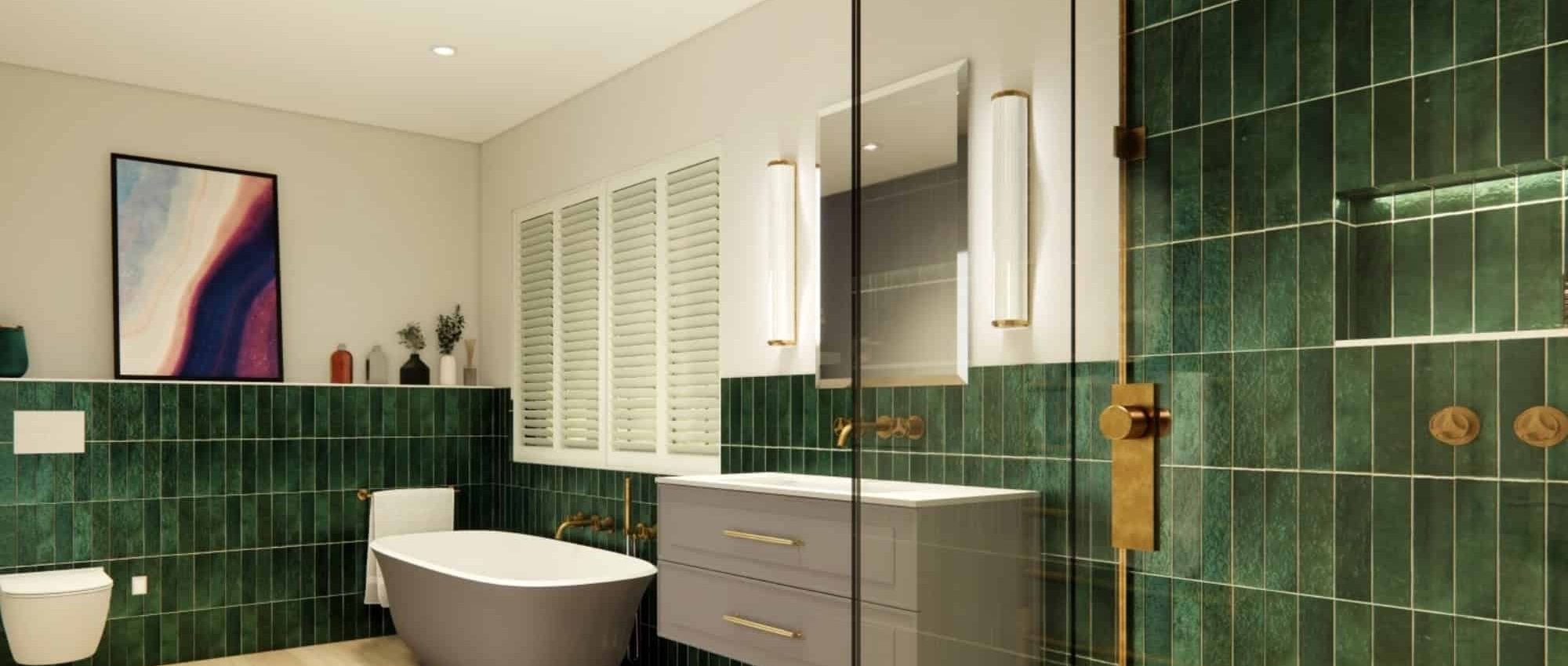
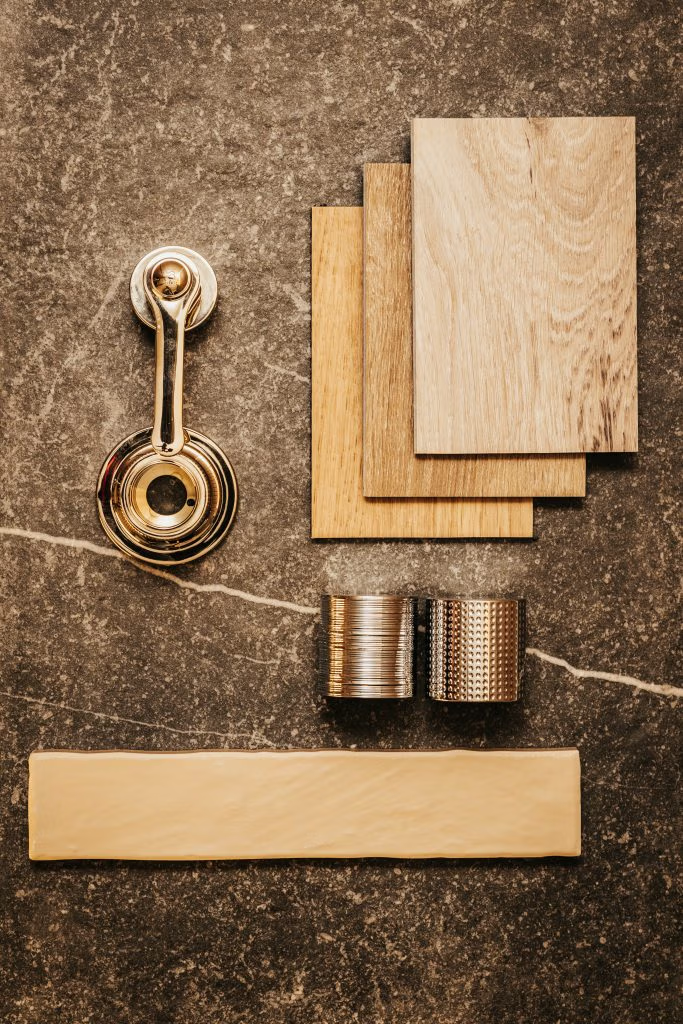
Using detailed 2D and 3D design tools, your designer creates a visual representation of your proposed bathroom. You will also see a moodboard bringing together the tiles, furniture, brassware and finishes, alongside elevations that show the room from different angles.
This is one of the most useful parts of the design process because you can see how the individual choices work together.
A bathroom tile that looks beautiful on a small sample can feel very different across an entire wall. A vanity that looks perfect online might be too large for the room. A layout that seemed obvious at first might not give you the flow you need.
The 3D design gives you the opportunity to see those decisions before anything is ordered.
You can give feedback, your designer can make amendments and the design can be refined until everything feels right.
Once the final design is signed off, the detailed specification can be prepared.